How to Safely Upgrade Your Home Electrical System for Modern Appliances
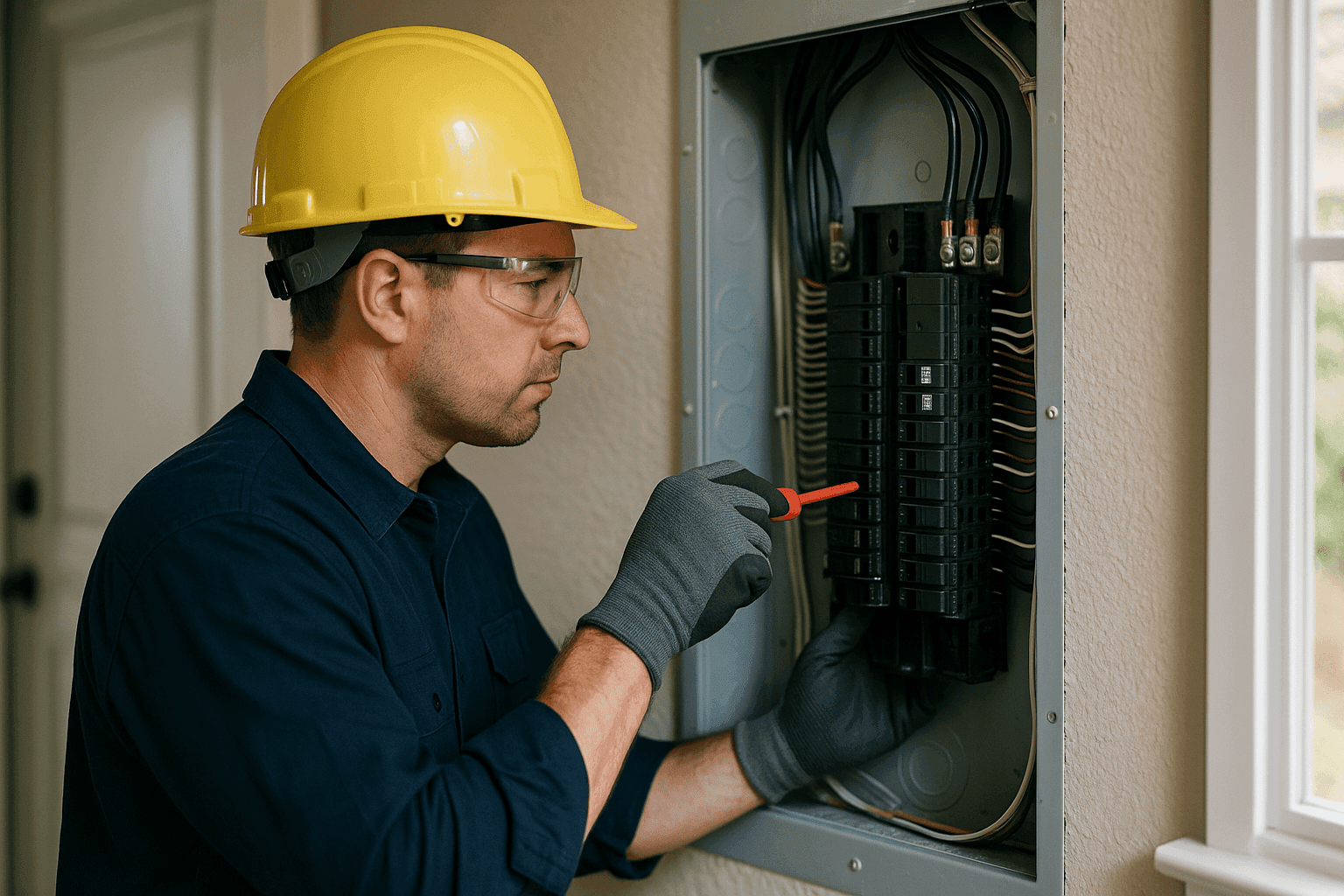
Is your home ready for the demands of modern life? Today’s appliances are like high-performance athletes—they need the right support to run safely and efficiently. But old wiring and outdated panels can’t always keep up. Upgrading isn’t just about convenience; it’s about protecting your family, your investment, and your peace of mind.
At Douglas Electric, we know the stakes. Flickering lights, tripped breakers, and buzzing outlets aren’t just annoyances. They’re warning signs. Let’s walk through what it takes to bring your electrical system up to speed—safely and smartly.
Why Upgrades Matter: The Modern Appliance Challenge ⚡
Think about the gadgets and appliances you use every day. Smart fridges. High-powered microwaves. EV chargers. Even that fancy espresso machine. Each one draws more power than the old toasters and TVs of decades past.
But here’s the catch: many homes and small businesses still rely on electrical systems designed for a simpler era. Like trying to run a marathon in flip-flops, your wiring and panels may be struggling to keep pace. The result? Overloaded circuits, fire hazards, and sudden outages.
Upgrading your electrical system isn’t just about adding more outlets or a bigger panel. It’s about matching your infrastructure to your lifestyle—safely and according to the latest codes, like the National Electrical Code (NEC) and recommendations from the Electrical Safety Foundation International (ESFI).
Quick Safety Checklist Before You Begin
Before you even think about plugging in that new appliance, run through this checklist:
- Are your circuit breakers tripping often?
- Do lights flicker or dim when appliances start?
- Are outlets warm or discolored?
- Do you use lots of extension cords or power strips?
- Have you noticed burning smells near outlets or switches?
- Is your panel more than 25 years old?
- Do you have ungrounded two-prong outlets?
- Has your home ever had a professional electrical safety inspection?
If you answered “yes” to any of these, it’s time to take a closer look. These are red flags that your system may be overloaded or unsafe.
DIY vs. Call a Pro: Know Your Limits
It’s tempting to tackle electrical upgrades yourself. After all, how hard can it be to swap out a breaker or run a new outlet? But electricity is unforgiving. One wrong move can lead to shocks, fires, or costly damage.
Think of your electrical system like the circulatory system in your body. You wouldn’t try to perform surgery on yourself, right? Licensed electricians are trained to spot hidden hazards, follow strict codes, and use the right tools for the job.
According to the Occupational Safety and Health Administration (OSHA), electrical incidents are among the leading causes of home fires and injuries. Don’t risk it. For anything beyond changing a light bulb or resetting a breaker, call in a professional—especially for major upgrades.
Assessing Your Electrical Panel and Circuits
Your electrical panel is the heart of your system. It distributes power to every room and appliance. But not all panels are created equal.
Signs your panel needs an upgrade:
- It’s a fuse box, not a breaker panel.
- It’s rated below 100 amps (most modern homes need 150–200 amps).
- It’s crowded, with no room for new circuits.
- Breakers are hot to the touch or show signs of corrosion.
- The panel brand has a history of safety recalls (such as certain older Federal Pacific or Zinsco panels).
Upgrading your panel is like widening a highway. It allows more “traffic” (electricity) to flow safely, without bottlenecks or pile-ups.
Circuit capacity matters. Each breaker is designed for a specific load. Plug in too much, and you risk overheating wires—a leading cause of electrical fires. An emergency electrician can calculate your needs based on the appliances you want to use, ensuring each circuit is up to the task.
Breaker Compatibility and Appliance Wiring
Not all breakers are compatible with every panel or appliance. Using mismatched parts is like forcing the wrong key into a lock. It might fit, but it won’t work safely.
Best practices for wiring modern appliances:
- Use dedicated circuits for high-demand devices (ovens, HVAC, EV chargers).
- Follow manufacturer instructions and NEC guidelines for wire size and breaker type.
- Install GFCI (ground fault circuit interrupter) and AFCI (arc fault circuit interrupter) protection where required—especially in kitchens, bathrooms, and laundry rooms.
- Label all breakers clearly for quick identification.
- Avoid “daisy-chaining” outlets or overloading power strips.
A professional will ensure every connection is tight, every breaker is the right size, and every wire is up to code.
The Role of Electrical Safety Inspections
Before and after any major upgrade, a thorough safety inspection is critical. Think of it as a health check for your home’s nervous system.
What a safety inspection covers:
- Visual inspection of panels, outlets, switches, and visible wiring
- Testing for proper grounding and bonding
- Checking for overloaded circuits or improper connections
- Verifying smoke and carbon monoxide detector placement and operation
- Ensuring all work meets current NEC standards
Inspections aren’t just a box to check—they can catch problems you never knew existed. According to the ESFI, regular inspections are one of the best ways to prevent electrical fires and shocks.
Common Pitfalls to Avoid
Upgrading isn’t always smooth sailing. Watch out for these traps:
- Ignoring permits: Electrical work often requires permits and inspections. Skipping these can void insurance and create safety risks.
- Mixing old and new wiring: Splicing modern copper wire to old aluminum without proper connectors can cause overheating.
- Overfilling boxes: Too many wires in a junction box can lead to dangerous heat buildup.
- Improper grounding: Without proper grounding, surges can damage electronics or cause shocks.
- DIY shortcuts: Electrical tape and wire nuts are not substitutes for code-approved connections.
A licensed electrician knows how to avoid these issues and will always follow best practices.
Surge Protection and Backup Generators: Building Resilience
Modern appliances are sensitive to power surges—those sudden spikes that can fry circuit boards and ruin electronics. Whole-home surge protectors act like security guards, blocking dangerous voltage before it reaches your devices.
Benefits of surge protection:
- Shields sensitive electronics from storm damage and utility surges
- Extends the life of appliances
- Reduces the risk of electrical fires
Backup generators are another smart upgrade, especially in areas prone to outages. They keep essentials running—fridges, medical equipment, security systems—when the grid goes down. A professional can size and install a generator to fit your needs, with safe transfer switches and regular maintenance.
Planning for the Future: Smart Homes and Scalability
Today’s upgrades should anticipate tomorrow’s needs. Maybe you’re eyeing a home automation system, a new hot tub, or even more EVs in the driveway. Building in extra capacity now saves headaches later.
Tips for future-proofing:
- Install panels with extra space for new circuits.
- Pre-wire for data, internet, and security systems.
- Use conduit for easy wire replacement.
- Choose outlets and switches compatible with smart home tech.
- Keep detailed records of all upgrades and inspections.
A well-designed electrical system grows with you, not against you.
Prevention & Maintenance: Keeping Your System Healthy
Upgrades are only part of the story. Regular maintenance keeps your investment safe.
Maintenance tips:
- Test smoke and carbon monoxide detectors monthly.
- Schedule professional safety inspections every 3–5 years.
- Replace worn outlets and switches promptly.
- Clean dust from panels and breaker boxes (with the main power off).
- Watch for warning signs: buzzing, sparking, or persistent breaker trips.
Staying proactive is the best way to avoid emergencies—and costly repairs.
Costs & Time Factors: What to Expect
Every upgrade is unique. Factors that affect cost and timing include:
- Size and age of your home or business
- Number of circuits and outlets to be added or replaced
- Type of panel and breaker upgrades needed
- Accessibility of wiring (finished vs. unfinished walls)
- Need for permits and inspections
Typical panel upgrades can take a day or two. Full rewiring may stretch over several days, especially if walls need to be opened. Remember, safety and quality come first—rushing electrical work is never worth the risk.
When It’s an Emergency: Don’t Wait
Some problems can’t wait. If you notice:
- Burning smells or visible smoke
- Sparking outlets or panels
- Repeated breaker trips with no clear cause
- Loss of power to critical systems (medical equipment, refrigeration)
Call an emergency electrician right away. Fast action can prevent fires, injuries, or bigger damage. Douglas Electric is available 24/7 for urgent needs.
Frequently Asked Questions
How do I know if my home’s wiring is too old?
If your home is over 40 years old and hasn’t been rewired, or if you see fabric-insulated or knob-and-tube wiring, it’s time for an inspection. Frequent blown fuses or tripped breakers are also warning signs.
Can I add more breakers to my existing panel?
It depends on your panel’s capacity and age. Overcrowding a panel is unsafe. A professional can assess if you need a subpanel or a full upgrade.
What appliances need dedicated circuits?
Large appliances like ovens, dryers, air conditioners, EV chargers, and hot tubs usually require their own circuits to operate safely.
Is surge protection really necessary?
Power surges can happen any time—from storms, utility work, or even appliances cycling on and off. Whole-home surge protection offers peace of mind and protects your investment.
Special Considerations for Electrical Upgrades
- Seasonal demands: Summer air conditioning and winter heating put extra strain on your system. Plan upgrades before peak seasons.
- Home automation: Smart devices often need special wiring or data cabling. Factor this into your plans.
- Pools and spas: Water and electricity don’t mix. Always use GFCI protection and follow strict safety codes.
- EV chargers: These require specific wiring and breaker sizes. Don’t improvise—have a professional handle the installation.
- Insurance and resale: Upgraded electrical systems can lower insurance premiums and boost property value.
Upgrading your electrical system is an investment in safety, comfort, and the future. Don’t leave it to chance—or to chance encounters with overloaded circuits.
Call Douglas Electric now — or reach us anytime at 877-748-7077 .