Emergency Electrician Guide: What to Do Before Help Arrives
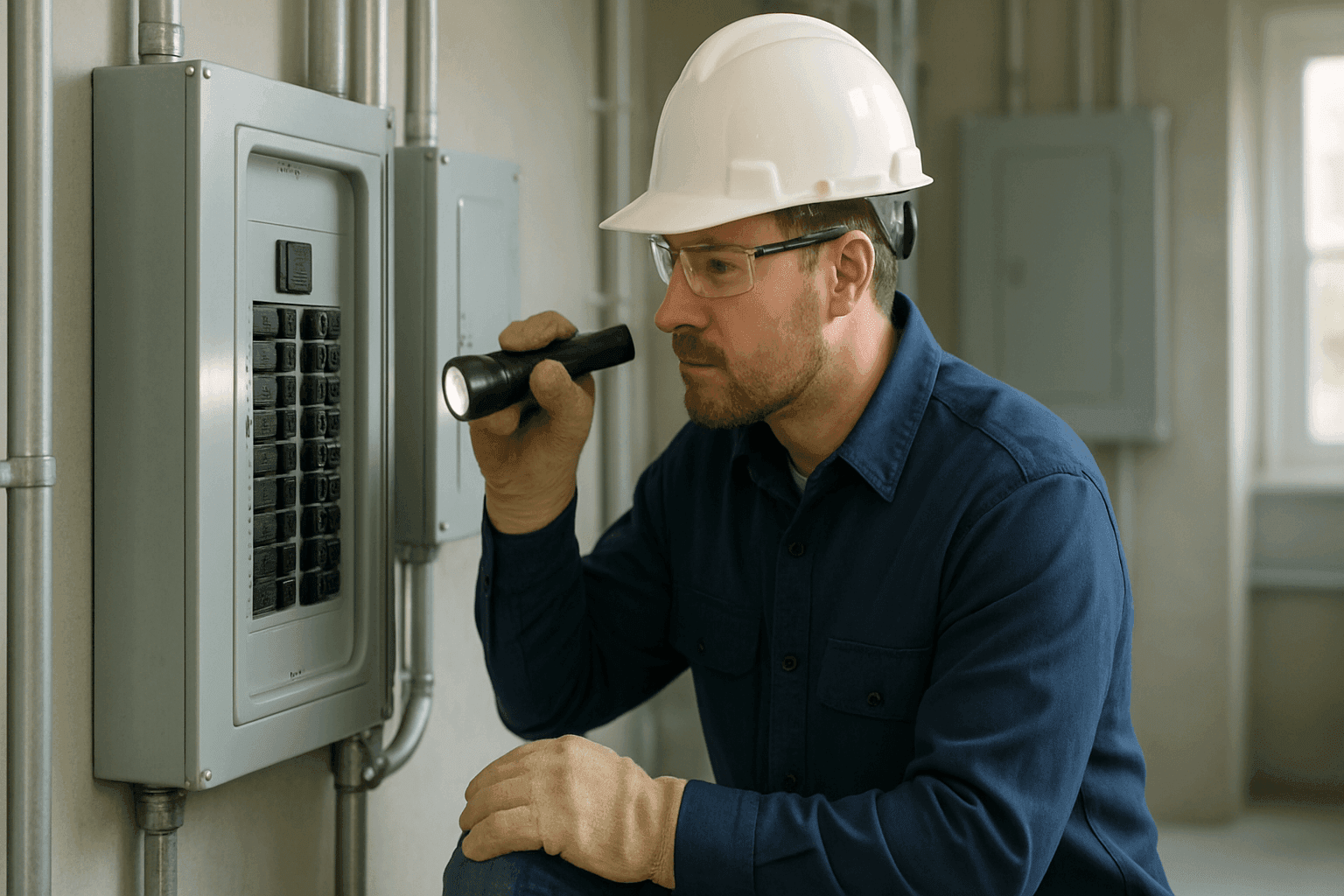
When the lights flicker or a wall socket starts smoking, panic can hit like a thunderclap. Every second counts. Whether you’re caring for loved ones at home or responsible for a bustling workplace, electrical emergencies can feel overwhelming.
Douglas Electric has helped countless families and businesses manage these urgent moments. This guide shares clear, actionable steps for what to do until a professional emergency electrician arrives—no jargon, just real-world advice.
Recognizing an Electrical Emergency ⚡
Not all electrical issues are created equal. Some are minor hiccups. Others? They can shut down your home or business—or threaten lives.
Common signs of an electrical emergency:
- Outlets or switches that are hot, sparking, or smoking
- Burning smells (especially near walls, outlets, or appliances)
- Sudden, unexplained power loss (not caused by a utility outage)
- Flickering or dimming lights throughout the property
- Buzzing sounds from outlets, wiring, or breaker panels
- Electric shocks when touching appliances or fixtures
- Water in contact with wiring or electrical panels
If you notice any of these, it’s time to act quickly. Don’t wait for the problem to “go away.”
Immediate Safety Measures: What to Do First
When trouble strikes, your first job is to keep people safe—then protect your property.
Step-by-step safety actions:
- Stay calm. Take a deep breath. Clear thinking prevents accidents.
- Move people away from the affected area. Keep pets and children clear.
- Don’t touch outlets, panels, or appliances showing signs of damage.
- If safe, cut power at the main breaker. Only do this if you can reach it without crossing standing water or damaged wires.
- Ventilate the space if you smell burning or see smoke, but only if you can do so safely.
- Call 911 if there’s fire, smoke, or risk of electrocution.
- Contact an emergency electrician like Douglas Electric for immediate help.
Remember: Electricity is invisible and powerful—like a river running below the surface. Never underestimate it.
When to Cut Power (and When Not To)
Sometimes, shutting off power is the right move. Other times, it’s dangerous.
Cut power at the main breaker if:
- You see sparks, smoke, or smell burning plastic
- There’s a risk of electrical fire
- Water is near outlets or electrical panels
Do NOT attempt to cut power if:
- You must walk through water or touch damaged wiring to reach the panel
- There’s visible fire, heavy smoke, or arcing electricity
In these cases, leave immediately and call emergency services.
Preparing for the Electrician’s Arrival 🛠️
You’ve called for help. Now, help your emergency electrician help you.
Here’s how:
- Clear access to the affected area and main electrical panel
- Write down what you observed: smells, sounds, when the issue started
- Gather information about recent electrical work, renovations, or storms
- Keep pets and children safely out of the way
- If possible, shut off sensitive electronics to prevent further damage
When speaking to your electrician, be as specific as you can. Details help them arrive prepared, saving precious time.
Quick Safety Checklist
- Are all people and pets safely away from the danger zone?
- Is there a clear, safe path to the electrical panel?
- Have you avoided touching suspect outlets or appliances?
- Have you called an emergency electrician?
- Is the area ventilated, if smoke or odors are present?
- Have you called 911 for fire or severe emergencies?
If you’re unsure, err on the side of caution.
DIY vs. Call a Pro: Why It Matters
Trying to fix an electrical emergency yourself is like swimming in a storm—you might make it, but the risks are huge.
DIY mistakes can:
- Cause severe injury or electrocution
- Lead to house fires
- Void insurance or violate local codes
According to the U.S. Consumer Product Safety Commission, over 30,000 shock and fire incidents are reported annually from household electrical accidents. For businesses, improper repairs risk not only safety but compliance with OSHA and NFPA 70 (National Electrical Code).
Always call a qualified emergency electrician for:
- Any situation involving smoke, sparks, or burning smells
- Power outages not linked to your utility
- Persistent breaker tripping
- Wet or damaged wiring
What the Pros Do On Arrival
When your emergency electrician arrives, here’s what typically happens:
- Assessment: They’ll inspect the affected area, breaker panel, and any signs of damage.
- Diagnosis: Using professional tools, they’ll pinpoint the source—faulty wiring, overloaded circuits, failing equipment.
- Safety Measures: The electrician will secure the area, often shutting off power and using personal protective equipment.
- Urgent Repairs: Immediate hazards—like melting wires or sparking outlets—are addressed first.
- Testing: They’ll verify the problem is solved and ensure no further risks remain.
- Advice: Expect recommendations for follow-up repairs or upgrades to prevent future emergencies.
This process is based on best practices from the National Fire Protection Association (NFPA 70) and local safety codes.
Prevention & Maintenance Tips
The best emergency is the one that never happens. Here’s what you can do:
- Schedule regular electrical safety inspections (at least every 3–5 years for homes, annually for businesses)
- Replace aging wiring and panels before they fail
- Install surge protection for sensitive electronics
- Test smoke and carbon monoxide detectors monthly
- Avoid overloading outlets or power strips
- Keep water sources away from electrical outlets and cords
- Have appliances serviced regularly
Routine care keeps your system humming and helps avoid late-night surprises.
Costs & Time Factors: What to Expect
Emergency electrical service is like calling for a tow truck in a storm—speed and skill are vital, but costs can vary.
What can affect price and repair time:
- Severity and location of the problem
- Time of day (after-hours calls may cost more)
- Parts or materials needed for urgent fixes
- Complexity (e.g., whole panel vs. a single outlet)
- Residential vs. commercial systems
Most emergency repairs can be made safe within an hour or two, but follow-up work might be needed if the damage is extensive. Expect clear communication from your electrician about timelines and next steps.
When It’s an Emergency (and When It’s Not) 🚨
Not every electrical problem is an emergency. Here’s how to tell:
Call an emergency electrician if:
- You see sparks, smoke, or burning smells
- Power outages affect critical equipment (medical devices, security systems)
- Water exposure to wiring or panels
- Buzzing, popping, or arcing from outlets or switches
Not urgent, but still important:
- One room loses power (breaker may have tripped)
- A single outlet stops working (unless there are signs of overheating)
- Light bulbs burn out quickly (unless fixtures are hot or flickering)
If in doubt, call Douglas Electric for guidance.
FAQ: Your Emergency Electrical Questions Answered
Q: What should I do if an appliance sparks or smokes?
A: Unplug it if safe. If not, cut power at the breaker and call for emergency help.
Q: Is it safe to use water to put out an electrical fire?
A: Never use water. Use a Class C fire extinguisher or evacuate and call 911.
Q: Can I reset a tripped breaker myself?
A: Yes, if there’s no burning smell, smoke, or visible damage. If the breaker won’t reset or trips again, call a pro.
Q: What information should I give the electrician?
A: Describe what you saw, smelled, or heard; what was running at the time; and any recent work or storms.
Local & Seasonal Considerations
Electrical emergencies can change with the seasons.
- Storm season: Downed lines, water leaks, and surges are more common.
- Summer: Air conditioners and pool equipment can strain circuits.
- Winter: Electric heaters and holiday lighting increase load.
- Older homes and buildings: These often have outdated wiring more prone to failure.
If you’re in an area with frequent storms or aging infrastructure, schedule a safety inspection before trouble strikes.
Your safety comes first. If you’re facing an electrical emergency, don’t take chances.
Call Douglas Electric now — or reach us anytime at 877-748-7077 .