Electrical Safety Checks: Why, When, and How Often You Need Them
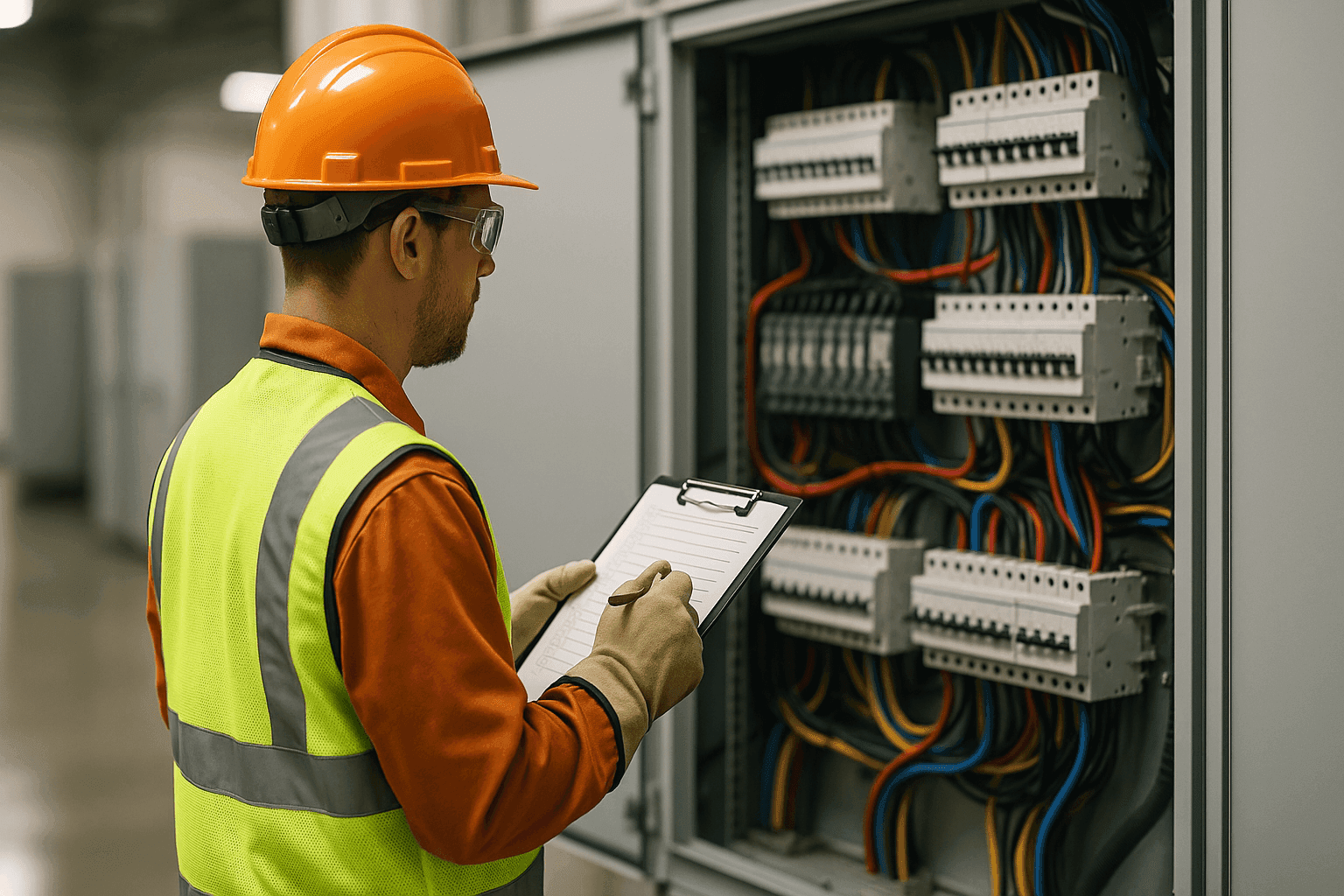
Electricity is the silent partner in your home or business. You don’t see the wiring in your walls, but you count on it every time you flip a switch, plug in a device, or power up a machine. When something goes wrong, it’s sudden—like a storm rolling in out of nowhere. That’s why electrical safety checks aren’t just smart; they’re essential.
At Douglas Electric, we help families and businesses stay safe 24/7. Our emergency electrician team knows that most electrical hazards hide in plain sight until disaster strikes. Fires, shocks, equipment failure—these aren’t just technical issues, they’re real-life problems that risk your people and your property.
What Are Electrical Safety Checks? ⚡
Electrical safety checks are thorough inspections of your electrical system—wiring, outlets, panels, breakers, appliances, and more. Think of them as a health checkup for your building’s heart and veins. Just as you wouldn’t skip a doctor’s appointment when you feel a strange pain, you shouldn’t ignore the signs your electrical system may be struggling.
During a safety check, a qualified electrician looks for:
- Faulty or deteriorating wiring
- Overloaded circuits and panels
- Outdated breakers or fuse boxes
- Improperly installed appliances or fixtures
- Missing or damaged surge protection
- Lack of proper grounding
- Signs of overheating, corrosion, or water damage
For commercial spaces, inspections also cover:
- Machine wiring and motor control systems
- High-voltage areas
- Pool and spa electrical
- Doorbell and intercom systems
- Phone, internet, and data cabling
Industry standards—like the National Electrical Code (NEC) and guidance from the Electrical Safety Foundation International (ESFI)—set the bar for what’s safe and legal. But every building is unique. Age, location, renovations, and local weather all affect your risk.
Benefits of Regular Inspections
There’s peace of mind, and then there’s insurance. Regular electrical inspections offer both. Here’s what you gain:
- Fire prevention: Loose wires or overloaded circuits are the leading causes of electrical fires.
- Fewer outages: Early detection stops small issues from turning into power failures.
- Lower insurance costs: Many insurers offer better rates when you provide recent inspection certificates.
- Legal compliance: Stay up to date with local codes and avoid costly fines or penalties.
- Equipment protection: Sensitive electronics and appliances last longer when your wiring and surge protection are up to standard.
- Reduced liability: Neglecting electrical safety can lead to lawsuits if someone is injured on your property.
Imagine your electrical system as a city’s road map. If a bridge is cracked or a tunnel floods, traffic grinds to a halt. Proactive checks keep everything moving safely.
Recommended Inspection Frequency 📅
So, how often should you schedule an electrical safety check? The answer depends on your situation:
For Residential Properties
- Every 3–5 years for standard homes under normal conditions.
- Every 1–3 years if your home is over 30 years old, you’ve completed major renovations, or added heavy-load appliances (EV chargers, HVAC, etc.).
- Immediately after flood, fire, or extreme weather events.
For Commercial Properties
- Annually for most commercial buildings, especially those with high machinery use.
- After major renovations or changes in occupancy.
- After any incident involving electrical equipment or wiring.
Special Cases
- Rental properties: Inspections before every new tenancy.
- Pools, spas, and outdoor wiring: Inspect at the start and end of the season.
If you’re unsure, err on the side of caution. A small investment in prevention pays off by avoiding much bigger bills and risks later.
What to Expect During an Inspection
Knowing what happens during a safety check can ease nerves and help you prepare. Here’s how Douglas Electric handles inspections from start to finish:
Pre-Inspection
- Review your electrical system’s history
- Discuss any recent issues or concerns
- Walk through high-risk areas (kitchens, basements, garages, machine rooms)
On-Site Exam
- Visual inspection of wiring, outlets, and panels
- Testing of safety devices (GFCIs, AFCIs, smoke and carbon monoxide detectors)
- Check for overheating with infrared thermometers
- Verify grounding and bonding
- Assess load and capacity of panels and circuits
- Examine exterior wiring and connections for weather damage
Reporting
- Clear, easy-to-read report on current condition
- List of hazards or code violations
- Recommendations for repairs, upgrades, or further testing
Most inspections take between 1–3 hours, depending on the size and complexity of your property.
Key Risk Factors: When You Need a Check Sooner
Some situations call for immediate attention:
- Aging wiring: Homes built before 1990 are at higher risk for outdated or brittle wiring.
- Renovations: Any addition, remodel, or new appliance can stress old circuits.
- Extreme weather: Flooding, lightning, and storms damage wiring you can’t see.
- Unexplained issues: Flickering lights, frequent breaker trips, or buzzing outlets are warning signs.
- Past emergencies: After any fire, flood, or electrical shock incident, immediate inspection is critical.
Residential vs. Commercial: What’s Different?
The basics are the same—safety first. But commercial spaces have extra layers:
- More complex wiring, often with higher voltages
- Specialized machines and motor control systems
- Greater occupancy and liability risks
- Stricter code requirements (such as OSHA and NEC compliance)
- More frequent wear and tear
For both homes and businesses, Douglas Electric offers Residential Services near you, tailored to your property’s unique needs.
How Safety Checks Lower Insurance and Liability Risks
Insurance companies love documentation. Up-to-date inspection certificates can:
- Lower your premiums
- Speed up claims after an incident
- Shield you from liability if someone is injured due to electrical failure
Neglecting inspections, on the other hand, can void your coverage or expose you to lawsuits. The stakes are high—especially for landlords and business owners.
Practical Tips: Keeping Your Property Safe Between Checks
You can’t replace a professional inspection, but you can stay alert:
- Test smoke and carbon monoxide detectors monthly
- Don’t overload outlets or power strips
- Watch for frayed cords or scorch marks
- Schedule maintenance after major storms
- Know where your main breaker is (and how to shut it off)
For business owners: train your staff to spot and report hazards right away.
What Inspectors Look For: Quick Checklist 🛠
- Outdated or missing GFCI/AFCI protection
- Double-tapped breakers or overcrowded panels
- Signs of rodent or water damage in wiring
- Ungrounded outlets, especially in older homes
- Improperly installed ceiling fans or lighting
- Malfunctioning surge protectors
- Signs of overheating (discolored outlets, warm panels)
How Much Do Inspections Cost? How Long Do They Take?
Costs vary based on property size, age, and complexity, but here’s what to expect:
- Residential: Usually 1–3 hours, with a range depending on home size and issues found.
- Commercial: Can take several hours for larger facilities or those with industrial equipment.
- Special systems: Pools, spas, and high-voltage machinery may add time and cost.
Think of an inspection as an investment—much less than repairs or recovery after a major incident.
What Happens If You Skip Safety Checks?
Skipping inspections is like driving without seatbelts. Most days, you’re fine—until you’re not.
- Risk of fire or shock
- Higher insurance premiums (or canceled coverage)
- Fines for code violations
- Reduced property value
- Unexpected equipment failure
The National Fire Protection Association (NFPA) notes that electrical failures are one of the top causes of home fires every year. Most could have been prevented with regular checks.
Electrical Safety Inspections: Frequently Asked Questions
How do I know if I need an electrical safety check?
If your property is over 30 years old, you’ve added new appliances, or you’ve had any unexplained electrical issues, it’s time to schedule one.
Can I do my own inspection?
Some basic checks—like testing outlets or looking for visible damage—are fine. But only a licensed electrician can spot hidden hazards and certify your system.
Is an inspection disruptive?
Most checks are quick and don’t require turning off all power. For more complex inspections, we’ll work with your schedule to minimize downtime.
What documents will I receive?
You’ll get a clear report listing any issues and what’s needed for code compliance. This report is your proof for insurance or resale.
Local and Seasonal Considerations
Some regions face unique challenges—think hurricane zones, areas with frequent lightning, or older neighborhoods with historic homes. After major storms or outages, always schedule a safety check. For properties with pools, spas, or outdoor kitchens, seasonal inspections are a must before heavy use.
Businesses with heavy equipment or high staff turnover should consider more frequent checks. If you’re renting or buying a new property, ask for a recent inspection certificate before moving in.
Your safety and peace of mind are too important to leave to chance. Schedule your next electrical safety check today.
Call Douglas Electric now — or reach us anytime at 877-748-7077 .