How to Choose the Best EV Charger for Your Home or Business
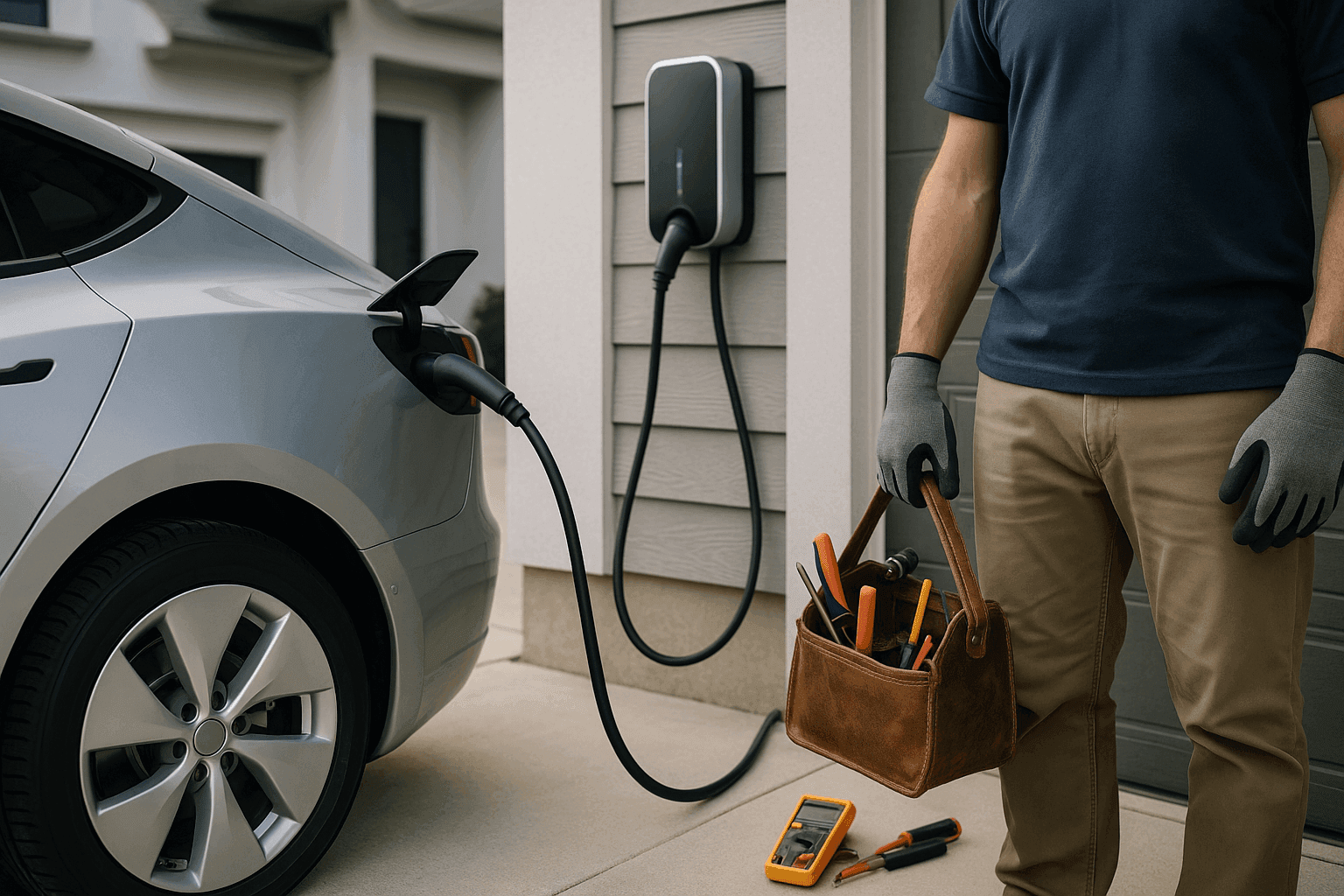
You’ve made the leap to electric. Now comes the next step: charging your EV safely and efficiently at home or at work. It’s not as simple as plugging in a phone. There are choices to make, safety codes to follow, and power needs to consider.
At Douglas Electric, we’ve helped countless homeowners and small business owners navigate the maze of EV charger options. This guide will walk you through what matters most—so you can charge with confidence and keep your property safe.
Understanding Your EV Charger Options ⚡
Choosing an EV charger isn’t just about speed. It’s about matching your lifestyle, your building’s electrical system, and your future plans. Here’s what you need to know:
Level 1 Chargers
- Uses a standard outlet (120V)
- Slowest charging speed—think overnight for a full charge
- Good for low-mileage drivers or backup charging
- Minimal installation, but circuit must be in top shape
Level 2 Chargers
- Requires a 240V circuit
- Charges roughly 4–6 times faster than Level 1
- Most popular for homes and small businesses
- Needs professional installation and sometimes panel upgrades
Commercial-Grade Chargers (DC Fast Chargers)
- High-voltage, very rapid charging
- Designed for commercial properties, fleets, or public use
- Not typically installed in homes due to power requirements and cost
- May need special permitting and dedicated electrical service
Think of Level 1 like filling a bathtub with a trickle. Level 2 is a garden hose. DC Fast? That’s a fire hydrant—powerful, but overkill for most homes.
Key Factors to Consider Before Installing
Not every building is ready for an EV charger out of the box. Here’s what to think about before you get started:
- Electrical Panel Capacity: Can your system handle the extra load? Most homes and small businesses need at least a 100-amp panel for Level 2 charging.
- Wiring Condition: Old or damaged wiring can be a fire risk.
- Location: Indoor or outdoor? Weather protection might be needed.
- Safety Codes: National Electrical Code (NEC) and local building codes set strict requirements.
- Charger Compatibility: Not all chargers fit every EV. Double-check plug types and smart features.
- Future Upgrades: Planning for multiple EVs or growing your business? Consider extra capacity now.
- Cost: Equipment, installation, permits, and potential panel upgrades all add up.
Quick Safety Checklist
Before you even think about plugging in:
- Is your electrical panel labeled and up to date?
- Are your outlets, breakers, and wiring in good condition?
- Do you have working smoke and carbon monoxide detectors nearby?
- Is your charger UL listed or certified by a recognized safety body?
- Are you using surge protection to guard against voltage spikes?
- Has your system been inspected by a licensed electrician in the last year?
If you’re unsure about any of these, stop and get a professional assessment. Safety always comes first.
DIY vs. Call a Pro
Installing an EV charger isn’t like swapping out a lightbulb. It’s more like adding a new lane to a highway—the stakes are high, and mistakes can be costly.
When DIY Might Work
- Plug-in Level 1 chargers with a dedicated, properly rated outlet
- Temporary or low-use scenarios
When to Call a Pro
- Level 2 or higher chargers
- Any installation requiring new wiring, breaker, or panel upgrades
- Outdoor or commercial installations
- If you’re not 100% sure about your panel’s capacity or code requirements
A licensed electrician will ensure your installation meets NEC standards and local codes, reducing fire risk and protecting your investment.
What Professionals Do On Arrival
When Douglas Electric arrives for an EV charger installation, here’s what happens:
- Assessment: We check your panel, wiring, and grounding. If anything looks outdated or overloaded, we’ll let you know.
- Load Calculation: This is like checking how much water your pipes can handle before turning on a new faucet.
- Permitting: We handle the paperwork and pull necessary permits.
- Installation: Wiring, mounting, and connecting your charger—safely and neatly.
- Testing: We verify correct operation and check for any electrical hazards.
- Walkthrough: We show you how to use your charger and answer all your questions.
We follow industry best practices and reference the latest NEC guidelines, so you’re set up for safe, reliable charging.
Prevention & Maintenance Tips
EV chargers are built to last, but a little care goes a long way:
- Schedule annual electrical safety inspections.
- Clean dust and debris from your charger regularly.
- Watch for signs of wear, like loose plugs or discolored outlets.
- Test GFCI protection if installed.
- Install whole-home surge protection to shield sensitive electronics.
- Consider a backup generator if outages are common in your area.
A well-maintained system means fewer surprises—and less risk of needing an emergency electrician.
Costs & Time Factors
How much will it cost? It depends on several factors:
- Charger Type: Level 1 is cheapest, Level 2 costs more, DC Fast is a major investment.
- Electrical Upgrades: Panel or wiring upgrades add to the bill.
- Permitting: Local fees vary.
- Labor: More complex installs take longer and cost more.
Most home Level 2 installations take half a day to a full day. Commercial jobs may run longer. Always get a detailed estimate upfront.
When It’s an Emergency
Sometimes things go wrong—a burning smell, sparks, or a tripped breaker that won’t reset. That’s when you need an emergency electrician.
- Unplug the charger if it’s safe.
- Don’t touch damaged wires or outlets.
- Call Douglas Electric immediately.
We’re available 24/7 for urgent electrical issues. Fast action can prevent fires and keep your property safe.
Frequently Asked Questions
Will a Level 2 charger work with my current electrical panel?
It depends on your panel’s capacity and how much power your home or business already uses. A licensed electrician can perform a load calculation to find out.
Can I install an EV charger outdoors?
Yes, but you’ll need a weatherproof, outdoor-rated charger and proper installation to meet safety codes.
Is a permit required for installation?
Most areas require a permit for Level 2 or higher installations. This ensures the work meets safety standards.
How do I know if my charger is safe to use?
Look for UL or ETL certification, and have your system inspected annually by a qualified electrician.
Special Considerations for EV Charging
EV chargers put unique demands on your electrical system. Here’s what else to keep in mind:
- Surge Protection: Lightning and grid fluctuations can damage chargers. Whole-home or dedicated surge protection is a smart investment.
- Backup Power: If you rely on your EV daily, consider a backup generator to keep charging during outages.
- Smart Features: Some chargers offer scheduling, remote monitoring, or load balancing. These can help manage energy use and costs.
- Growth: If you plan to add more EVs, install extra capacity now to avoid future headaches.
Always follow the latest guidance from the National Electrical Code and consult a licensed electrician for any upgrades or changes.
Ready to power up your EV the right way? Call Douglas Electric now — or reach us anytime at 877-748-7077 .