Choosing the Right Backup Generator: Residential & Commercial Needs
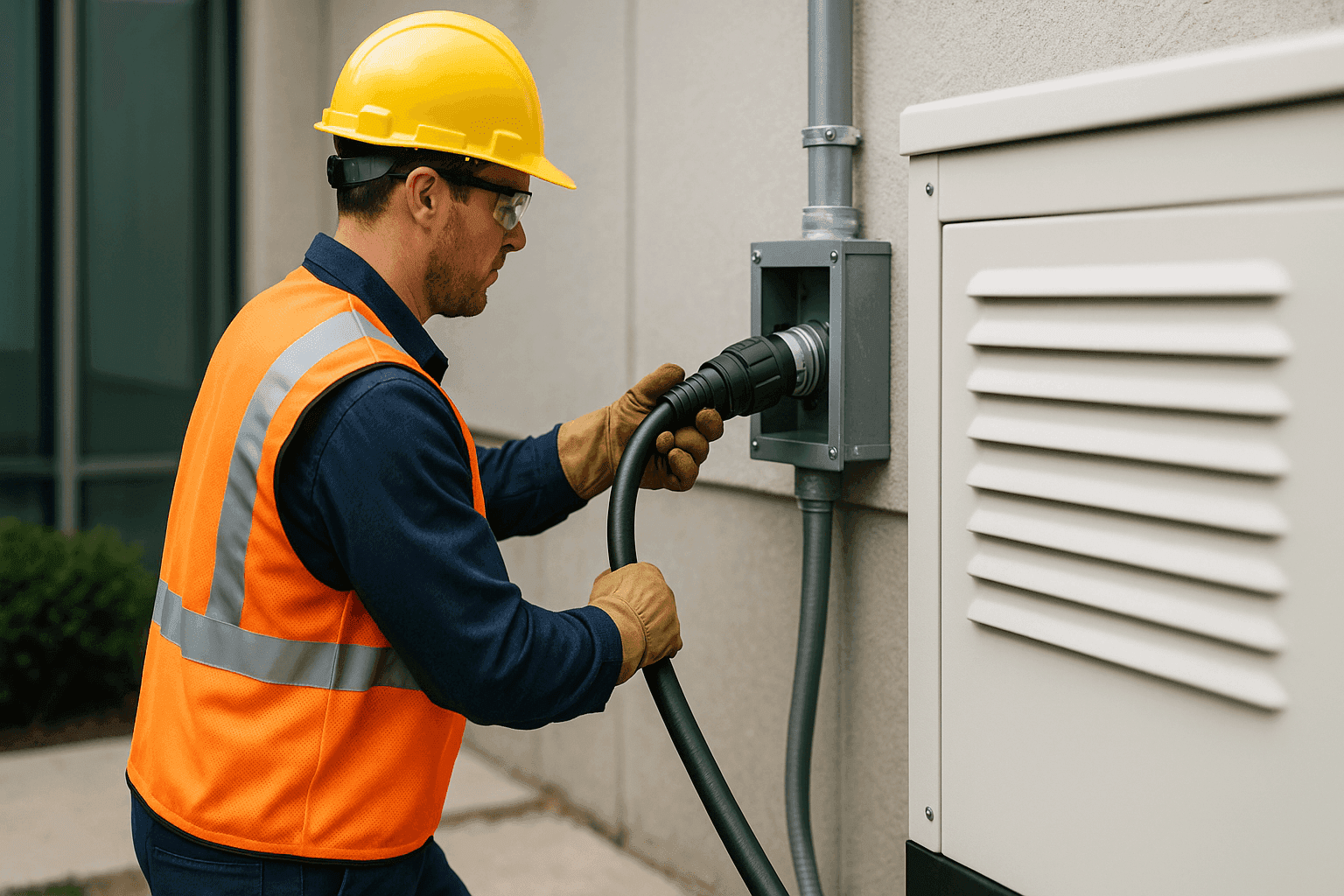
Power outages don’t politely knock on your door. They barge in—sometimes in the middle of the night, sometimes in the middle of your workday. At Douglas Electric, we know what it feels like to be left in the dark, whether you’re at home with loved ones or running a business that can’t afford a minute offline.
That’s why choosing the right backup generator isn’t just about convenience. It’s about peace of mind, keeping your property safe, and staying open for business—no matter what. Here’s how to make the right choice for your needs.
Why You Need a Backup Generator ⚡
Imagine flipping a light switch and nothing happens. The fridge stops humming. The security system goes silent. For families and businesses alike, even a short outage can mean spoiled food, lost sales, or unsafe conditions.
Backup generators are your insurance policy against the unexpected. They step in when the main power fails, running your essential appliances, lights, and systems. For homes, that could mean keeping medical equipment powered or your sump pump running during a storm. For businesses, it’s about protecting inventory, data, and productivity.
A generator isn’t just a machine—it’s a lifeline.
When Outages Happen
- Severe storms, ice, or wind
- Grid failures or rolling blackouts
- Construction accidents
- Overloaded circuits
Both planned and surprise outages can strike. Emergency electricians see it all the time: the unprepared scramble, while those with backup power breathe easy.
Types of Generators and Fuel Sources
Not all generators are created equal. The right setup depends on your property size, power needs, and available fuel.
Portable vs. Standby
Portable Generators:
- Smaller, can be moved as needed
- Usually run on gasoline
- Good for temporary, limited use
- Require manual setup and refueling
Standby Generators:
- Permanently installed
- Start automatically when power fails
- Run on natural gas, propane, or diesel
- Can power whole buildings or critical circuits
Common Fuel Types
- Natural Gas: Connects to utility line; never needs refilling but may be affected by gas supply issues.
- Propane: Stored in tanks; burns clean, long shelf life.
- Diesel: Powerful, reliable, but needs proper fuel storage.
- Gasoline: Easy to find but not ideal for long-term storage (mainly used in portables).
Residential Services near you often recommend standby units for homes and commercial properties needing seamless, hands-off operation.
Sizing Your Generator
Getting the size right is crucial. Too small, and your generator might trip or overheat. Too big, and you’re wasting money and fuel.
How to Calculate Your Needs
Think of your generator like a raincoat. It should cover what matters most, not drown you in excess fabric.
-
List Essential Loads:
- Refrigerator, freezer
- Heating/cooling
- Medical equipment
- Business servers or POS systems
- Lighting, security, internet
-
Add Up Wattages:
- Check appliance labels or manuals for running and starting watts.
- Motors (like pumps or AC) need extra power to start.
-
Factor in Future Needs:
- New appliances, renovations, or business growth.
-
Consult an Emergency Electrician:
- A licensed pro can perform a load calculation and recommend safe, code-compliant sizing.
Approximate Ranges
- Small homes: 5,000–7,500 watts (portable or partial standby)
- Large homes/businesses: 10,000–25,000+ watts (whole-property standby)
- Critical commercial loads: 30,000–100,000+ watts (custom solutions)
The National Electrical Code (NEC) sets guidelines for generator installations—always follow local code.
Professional Installation Matters 🛠️
A generator is only as reliable as its installation. It’s like building a bridge—you want it sturdy, safe, and built to last.
Why Hire a Licensed Electrician?
- Code Compliance: Proper permits, grounding, clearances, and transfer switches.
- Safety: Avoids carbon monoxide risks, fire hazards, and overloads.
- Integration: Connects seamlessly to your existing electrical panel.
- Inspection: Verifies correct operation, fuel lines, and emergency shutoffs.
At Douglas Electric, every install meets or exceeds NEC and manufacturer guidelines.
The Role of Automatic Transfer Switches
An automatic transfer switch (ATS) is the brains of your backup system. It senses when utility power drops, then shifts your load to generator power—instantly and safely. When grid power returns, it switches you back.
- No manual cords or guesswork.
- Essential for businesses and critical home systems.
What to Expect During Maintenance
A generator is like a car—it needs regular attention to stay reliable.
Routine Checks
- Oil and filter changes: Follow manufacturer schedule.
- Fuel system inspection: Prevent clogs, leaks, or stale fuel.
- Battery testing: Ensure reliable starts.
- Load testing: Run generator under load to check performance.
Plan for annual maintenance, plus extra checks before storm season or prolonged outages.
Long-Term Care Tips
- Keep the area around your generator clear.
- Check fuel levels and expiration.
- Test-run your system monthly, even if no outages occur.
- Schedule professional inspections for peace of mind.
Reference: Always follow recommendations from the Electrical Safety Foundation International (ESFI) and your equipment manual.
Common Questions About Generators
Do I Need a Permit?
In most locations, yes. A licensed electrician can handle the paperwork and inspections.
Can I Power My Whole Property?
With the right size generator and installation, yes. Some choose to back up only essentials to save on costs.
How Loud Are Generators?
Portable units are louder; standby models are quieter and come with sound-dampening enclosures.
What About Solar or Battery Backup?
Solar and batteries are options for some, but generators offer the most reliable, on-demand power for extended outages.
Local and Seasonal Considerations 🌦️
Different regions face different risks. Hurricanes, ice storms, wildfires—your backup plan should fit your local threats.
In Colder Climates
- Heaters and sump pumps are critical loads.
- Keep fuel from freezing (propane and diesel can gel in low temps).
In Storm-Prone Areas
- Elevate generators to avoid flooding.
- Protect transfer switches from water and debris.
Year-Round Readiness
- Test your system before each storm season.
- Review your insurance and utility policies for generator use guidelines.
Criteria for Hiring a Reliable Electrician
Your generator’s safety and performance depend on the skills of your installer. Look for:
- Proper licensing and insurance
- Solid references and clear communication
- Familiarity with local codes and NEC standards
- 24/7 emergency electrician availability in case you need urgent help
A good electrician won’t cut corners. They’ll walk you through your options and keep your property protected.
Ready for Reliable Backup Power?
Don’t wait for the next blackout to make your move. Whether you’re protecting your family or your business, a well-chosen generator is an investment in comfort, continuity, and safety. Douglas Electric is here to help with Residential Services near you—fast, professional, and always code-compliant.
Call Douglas Electric now — or reach us anytime at 877-748-7077 .